You may have put off fixing crooked teeth for years because invisalign felt like a better option than metal braces, which may have seemed like too much. Too visible, too uncomfortable, too hard to work around at meals, meetings, or photos. That hesitation is common, especially if you want a straighter smile but do not want your treatment to be the first thing people notice.
How Invisalign can help straighten your teeth without traditional braces comes down to a simple idea. Clear aligners move teeth in small, planned steps, and they do it without brackets and wires. For many adults and teens, that means treatment feels easier to fit into real life. It is still orthodontic care, and it still takes commitment, but it often feels less disruptive.
A dentist can help you figure out whether clear aligners fit your goals, your bite, and your daily routine. That matters, because not every case is the same, and not every online promise tells the full story.
Clear aligners offer a different path to straighter teeth
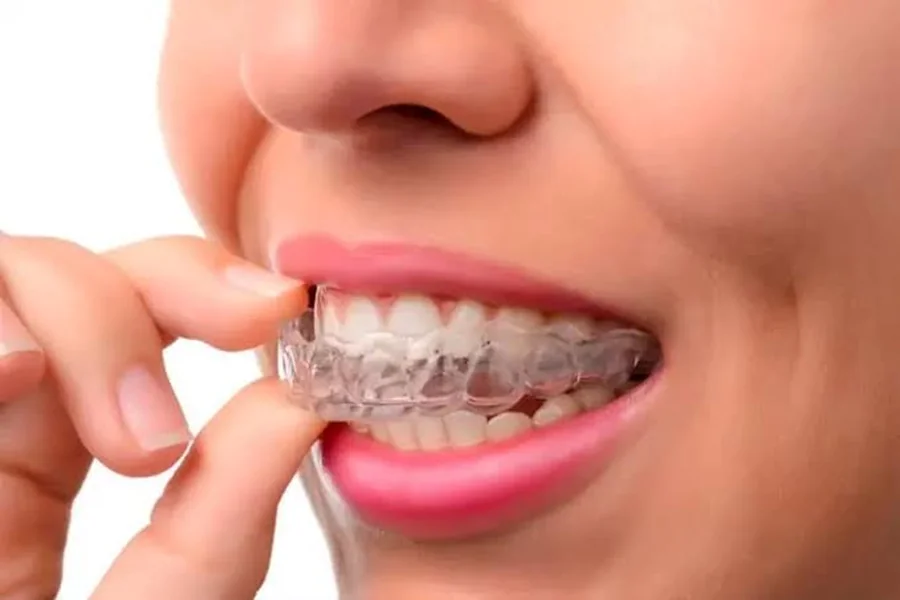
Traditional braces stay fixed to your teeth. Clear aligners are removable trays made to fit your mouth at each stage of treatment. You wear them for most of the day, usually only taking them out to eat, drink anything besides water, brush, and floss. The trays apply steady pressure, and over time your teeth shift into better alignment.
The FDA explains clear dental aligners as prescription devices used to move teeth. That prescription piece matters. This is not just a cosmetic product. It is treatment that should be planned and monitored.
If you have crowded teeth, gaps, or mild to moderate bite issues, clear aligners for teeth straightening may be a good option. Many people like that the trays are hard to notice, and they often find brushing and flossing easier than with braces because the aligners come out.
Daily life often feels easier with Invisalign than with braces
You do not have to give up crunchy foods because there are no brackets to break. You do not need to thread floss around wires every night. If you have a presentation at work, a wedding, or school photos, the trays are much less visible than metal braces.
That does not mean treatment is effortless. You need to wear aligners as directed, often 20 to 22 hours a day. If you leave them out too long, teeth can shift off schedule, and that can delay progress. This is where people get frustrated. The appeal of removable trays becomes the weak point if they are not worn consistently.
There is also the adjustment period. Your teeth may feel sore for a few days when you switch to a new tray. Speech can sound slightly different at first. Most people adapt quickly, but the first week can feel awkward enough to make you wonder if you made the right choice.
Professional oversight protects your teeth and gums during treatment
Teeth do not move in isolation. Your gums, jaw, bite, and bone health all matter. A dentist checks whether your mouth is healthy enough for movement and whether the planned tooth shifts make sense. If you already have gum disease, untreated cavities, or jaw pain, those issues need attention first.
MedlinePlus notes that malocclusion, or misaligned teeth, can affect more than appearance. Bite problems can make cleaning harder, wear down teeth unevenly, and sometimes contribute to speech or chewing issues. Straightening teeth is often cosmetic, but it can also support long term oral health.
Invisalign treatment also has limits. Some complex cases still do better with traditional braces or a mix of orthodontic methods. Harvard School of Dental Medicine describes clear aligner orthodontic therapy as effective for many patients, while also recognizing that case selection matters. That is why an in person evaluation has more value than a one size fits all answer.
Comparing Invisalign and traditional braces helps clarify the tradeoffs
| Factor | Invisalign | Traditional Braces |
|---|---|---|
| Appearance | Clear trays are less noticeable | Brackets and wires are visible |
| Removal | Removable for meals and cleaning | Fixed to teeth until treatment ends |
| Food restrictions | Few, since trays come out before eating | More restrictions to avoid damage |
| Oral hygiene | Brushing and flossing are usually easier | Cleaning around wires takes more effort |
| Discipline required | High, because you must wear trays consistently | Lower risk of noncompliance since braces stay on |
| Best for complex tooth movement | May be limited in some cases | Often better for complex corrections |
| Follow up care | Regular monitoring still needed | Regular monitoring still needed |
This is usually where the decision becomes clearer. If you want something discreet and you know you will wear the trays as directed, invisible braces can be a strong fit. If you tend to lose things, skip routines, or need more complex movement, braces may be the steadier option.
Three steps can help you decide with less stress
- Get a full dental exam before choosing treatment. Straightening teeth works best when your mouth is healthy. Ask your dentist to check for cavities, gum problems, bone loss, and bite issues before discussing trays or braces.
- Be honest about your habits. If you snack often, travel a lot, or struggle with routines, say that clearly. Removable aligners only work when they are in your mouth. A treatment plan should fit your life, not an ideal version of it.
- Ask what your case will realistically involve. Find out how long treatment may take, how often you will need visits, whether attachments are needed, and what retainers you will wear after treatment. Teeth can shift back if retention is ignored, and that surprises a lot of people.
A straighter smile does not have to mean metal braces
If you have been wanting to fix crowding, gaps, or a bite that feels off, you have options beyond brackets and wires. A dentist can help you decide whether clear aligners are the right tool for your teeth, your goals, and your schedule. The right plan is the one you can follow all the way through, because that is what gets results you can keep.
Take the next step by scheduling a consultation with a dentist and getting a treatment plan built around your smile.