You hand over the leash or carrier, and suddenly every small detail feels huge. When a pet needs surgery, a dental procedure, or imaging that requires sedation, most people are not thinking about the technical side first. You are thinking about whether your dog or cat will wake up safely, whether they will be scared, and whether you are making the right call. That worry is normal, and a trusted veterinarian in Studio City, CA can help guide you through those concerns. Anesthesia always deserves respect, but modern veterinary care is built around reducing risk before, during, and after the procedure.
Safe pet anesthesia starts long before medication is given. A veterinary hospital looks at your pet’s age, breed, medical history, bloodwork, heart and breathing status, and the type of procedure planned. During anesthesia, trained staff monitor oxygen, blood pressure, heart rate, temperature, and depth of anesthesia. Afterward, recovery is watched just as closely, because that is when some pets need extra support. The goal is simple. Keep your pet stable, comfortable, and protected at every step.
Veterinary anesthesia safety begins with planning, not guesswork
The hardest part for many owners is that anesthesia can sound like one single event, when it is really a chain of decisions. If one part is rushed, the rest becomes less safe. That is why a good animal hospital does not treat every pet the same way. A young healthy cat coming in for a routine spay does not need the exact same plan as an older dog with a heart murmur who needs a mass removed.
Pre anesthetic screening helps the team catch problems early. Blood tests may show liver or kidney concerns that affect how drugs are processed. A physical exam may reveal dehydration, obesity, airway trouble, or dental disease that changes the approach. Some pets need chest X rays, an ECG, or extra stabilization before the procedure moves forward. The AVMA guide on when your pet needs anesthesia explains why these checks matter and what owners should expect.
This is also where cost questions often come up. You may see one estimate that looks higher than another and wonder why. In many cases, the difference is not the surgery itself. It is the level of safety around it. IV catheters, fluids, monitoring equipment, pain control, warming support, and trained staff all add cost, but they also reduce preventable problems. Cheap anesthesia can become expensive fast if a pet has an avoidable complication.
Monitoring during pet anesthesia is what protects your pet in real time
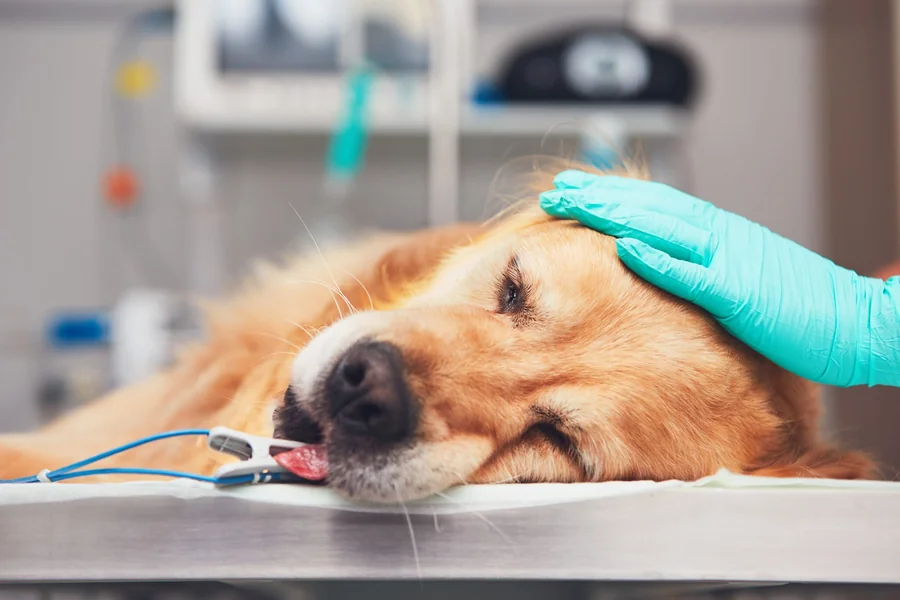
Once anesthesia starts, the focus shifts from planning to constant response. Pets do not all react the same way to sedatives or anesthetic drugs. Blood pressure can drop. Breathing can become shallow. Body temperature can fall. A pet may need more pain control or less inhalant gas than expected. That is why monitoring is not a box to check. It is the core of veterinary anesthesia safety.
Many veterinary hospitals use pulse oximetry to track oxygen levels, capnography to measure carbon dioxide, ECG to watch the heart rhythm, and blood pressure monitoring to catch circulation problems early. Temperature is tracked because small pets, seniors, and short haired animals can lose body heat fast under anesthesia. A trained technician or nurse watches trends, not just numbers, and alerts the veterinarian when adjustments are needed.
Airway management matters too. Many pets are intubated, which means a tube is placed in the windpipe to protect the airway and deliver oxygen and anesthetic gas. That step lowers the risk of airway obstruction and helps the team support breathing if needed. For some short procedures or certain patients, a different plan may be used, but the decision should be based on your pet’s needs, not convenience.
Recovery care after anesthesia is part of the safety plan
Owners often focus on the moment their pet goes under, but recovery deserves equal attention. A pet waking up from anesthesia may be groggy, cold, disoriented, or nauseated. Pain can become more obvious as the drugs wear off. Some animals vocalize or pace. Others are quiet and withdrawn. None of that should be ignored.
Strong hospitals monitor pets until they can maintain body temperature, swallow normally, and rest without distress. Pain medication is adjusted based on the procedure and the pet’s response. Discharge instructions should be specific, not vague. The American College of Veterinary Surgeons postoperative care guide outlines the kind of aftercare owners should receive once their pet goes home.
Hospitals also improve safety by following consistent anesthesia protocols and continuing staff education. Training in anesthesia and analgesia helps teams recognize risk sooner and respond better under pressure. Resources like this veterinary anesthesia and pain management course reflect the level of continuing education many practices rely on to keep standards high.
Key safety features at an animal hospital make a real difference
| Safety Measure | What It Does | Why It Matters |
|---|---|---|
| Pre anesthetic exam and bloodwork | Checks organ function and hidden illness | Helps tailor drugs and lowers preventable risk |
| IV catheter and fluids | Provides quick access for medications and supports blood pressure | Speeds response if a pet needs urgent help |
| Dedicated monitoring by trained staff | Tracks oxygen, heart rate, blood pressure, temperature, and breathing | Catches changes early, before they become emergencies |
| Airway support such as intubation | Protects the airway and delivers oxygen | Reduces breathing risk during many procedures |
| Pain management before and after surgery | Uses medications to control discomfort at each stage | Improves recovery and lowers stress on the body |
| Observed recovery | Watches for nausea, pain, low temperature, or delayed waking | Recovery problems are treated before discharge |
Three steps help you prepare for safer anesthesia for pets
Share your pet’s full history. Tell the hospital about cough, vomiting, seizures, medication use, allergies, past reactions to anesthesia, and any recent change in appetite or energy. Small details can change the plan.
Ask what monitoring and pain control are included. You do not need to ask for luxury care. You need to know whether your pet will have bloodwork, IV access, a trained monitor, airway support when needed, and recovery supervision. Clear answers usually signal a careful process.
Follow fasting and discharge instructions exactly. Feeding too close to anesthesia can raise the risk of vomiting and aspiration. At home, stick to activity limits, medication timing, and incision checks. Good aftercare supports the work the hospital already did.
Needing anesthesia for a pet is stressful because the trust you place in a hospital feels enormous, and it is. The good news is that strong systems lower risk in meaningful ways. Thoughtful screening, skilled monitoring, pain control, and attentive recovery are what make anesthesia for pets safer than many owners realize. When you are choosing an animal hospital, look for a team that explains the plan clearly and treats your concern with respect. That kind of care usually shows up in every step your pet receives.