You may be looking at a chipped tooth, stains that do not lift, or a smile that has slowly changed shape over the years, and it can feel easy to file that under appearance alone. Most people do. You learn to smile with your lips closed, avoid photos, or chew on one side without thinking much about why. The problem is that changes you can see often connect to problems you can feel later, and Blackfoot cosmetic dentistry can help address concerns including worn enamel, bite strain, gum irritation, and trouble cleaning certain areas well.
Why cosmetic dentistry plays an important role in oral wellness comes down to one simple truth. A healthier smile and a better looking smile often support each other. Treatments that improve shape, spacing, damage, and alignment can also make your teeth easier to protect, easier to clean, and more comfortable to use every day. A skilled general and cosmetic dentist looks beyond the surface and treats both function and appearance together.
Cosmetic dental care often supports oral health
People hear the word cosmetic and think optional. That misses what is happening in many mouths every day. A cracked front tooth may look like a cosmetic issue, but the rough edge can weaken the tooth further and trap plaque. Worn teeth may seem like an age or stress issue, but they can change your bite and lead to jaw tension. Gaps and crowding can affect how well you brush and floss, which raises the risk of decay and gum problems.
The connection between appearance and health is well recognized in public health guidance on oral health. Healthy teeth and gums support eating, speaking, and daily comfort. National goals for oral conditions also focus on preventing decay, gum disease, and tooth loss because these issues affect overall well being, not just your smile.
That is where cosmetic dentistry and oral health come together. Bonding can repair small chips before they worsen. Crowns can restore strength to damaged teeth. Orthodontic options can improve alignment so your bite works more evenly and your hygiene gets easier. Whitening does not treat disease on its own, but it often brings people back into regular dental care, and that matters when prevention has slipped for a few years.
Small smile concerns can turn into bigger oral problems
What starts as “just cosmetic” has a way of growing. If you avoid smiling because of one dark tooth, you may also avoid the dentist because you do not want attention drawn to it. If a tooth is uneven and catches floss, you might stop flossing that area. If your bite feels off after years of grinding, you may accept headaches and sensitivity as normal. They are common, but they are not harmless.
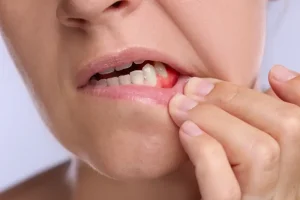
Misaligned or damaged teeth can hold food and bacteria in places your toothbrush does not reach well. That raises the chance of plaque buildup, cavities, and gum inflammation. According to MedlinePlus dental health information, daily care and regular dental visits are key to preventing these issues, but the shape and condition of your teeth affect how successful that care can be.
This is one reason people often feel relief after treatment. The smile may look better, but the bigger change is that it feels easier to live with. You can chew without favoring one side. You stop worrying about a loose veneer, a rough edge, or a gap that keeps collecting debris. Confidence rises, but so does comfort and function.
Professional cosmetic treatment and DIY fixes produce very different results
There is a real difference between guided dental treatment and trying to manage smile concerns on your own. Store bought products can help with minor surface stains, but they cannot correct structural problems, bite issues, cracked enamel, or restorations that no longer fit well. Trying to force a cosmetic fix onto a health problem usually delays proper care.
| Concern | DIY Approach | Professional Dental Approach | Likely Oral Health Impact |
| Tooth discoloration | Whitening strips or abrasive pastes | Exam first, then whitening or restoration if stain is internal | Reduces the risk of masking decay or a dying tooth |
| Chipped tooth | Ignore it or smooth it with unsafe tools | Bonding, contouring, veneer, or crown based on damage | Protects enamel and lowers the chance of fracture |
| Crooked or crowded teeth | Cosmetic workarounds only | Clear aligners, braces, or reshaping with bite evaluation | Makes cleaning easier and may reduce gum irritation |
| Worn teeth from grinding | Whitening or cosmetic coverups | Bite assessment, restoration, and night guard if needed | Helps prevent further wear and jaw strain |
Smile enhancement and oral wellness should work together. If a treatment makes teeth look better but leaves decay, gum disease, or bite imbalance untouched, the result will not last well. Good cosmetic care starts with diagnosis, not just design.
Cosmetic dentistry can improve confidence without losing sight of function
Confidence matters. It affects how you speak, laugh, eat in public, and show up at work. That emotional side is not shallow. If your smile makes you self conscious, that stress is real. The best cosmetic work respects that feeling without treating you like you only care about looks.
A thoughtful dentist will check for gum health, bone support, enamel wear, old fillings, and the way your teeth meet before recommending treatment. That is what makes cosmetic dentistry part of responsible oral care rather than a separate category. The goal is not a perfect smile on paper. The goal is a smile that looks natural, feels strong, and supports your long term dental health.
Three practical steps can help you move forward
- Start with a full dental exam. Ask for an evaluation of both appearance and function. If a tooth bothers you visually, ask what may be happening underneath. A small cosmetic concern can reveal wear, decay, or bite issues that need attention first.
- Prioritize the problems that affect health and comfort. If you have a crack, pain when chewing, bleeding gums, or crowded areas that are hard to clean, handle those first. Cosmetic improvements often become more successful once your foundation is stable.
- Choose treatment that matches your real goals. Some people want one repaired tooth to blend in. Others want to restore several worn teeth or improve alignment. Be honest about your budget, timeline, and concerns. Good planning prevents rushed choices and helps results last.
If you have been telling yourself that your smile concerns are “only cosmetic,” it may be time to look again. The way your teeth look, feel, and function is connected. A general and cosmetic dentist can help you protect your oral health while improving the parts of your smile that have been bothering you for years. You do not need to keep working around discomfort or hiding your smile. Taking the first step can make daily life easier, cleaner, and more comfortable.