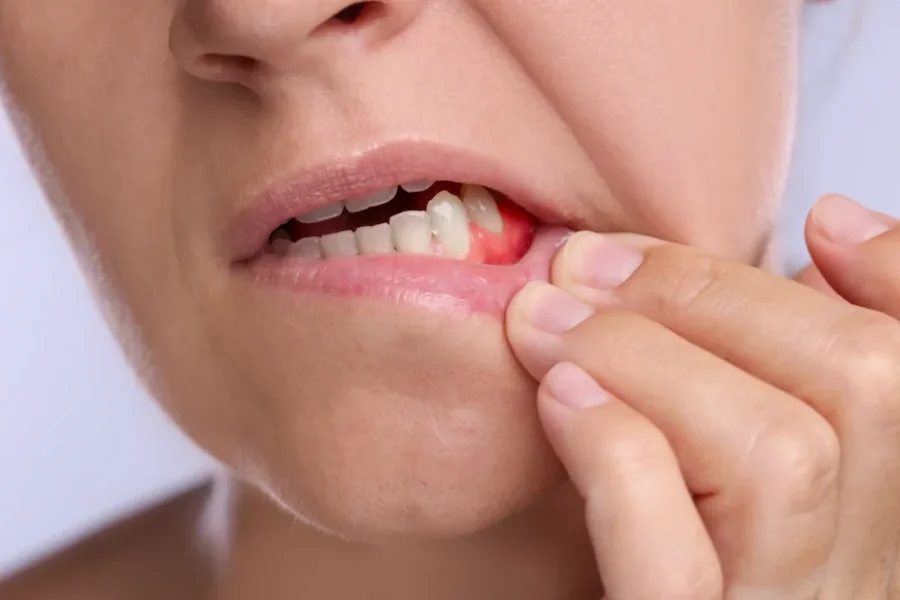
It usually starts with something easy to brush off. A little tooth sensitivity when you drink something cold. Gums that bleed when you floss. A spot on a tooth that does not hurt yet, so it feels safe to wait. You may tell yourself it can sit on your to do list for another week, then another month. That is a common choice, especially when life is busy and the problem seems minor. Visiting a dental clinic in Leduc can help you address these small issues before they become bigger problems.
The trouble is that small dental problems rarely stay small. A cavity can spread deeper into the tooth. Mild gum irritation can turn into infection and bone loss. A rough edge, a crack, or a sore spot can become harder and more expensive to treat once pain finally forces action. That is why small dental problems deserve attention early, even when they seem manageable.
Minor Tooth and Gum Problems Often Get Worse Quietly
Your mouth does not always give you a dramatic warning. Tooth decay can form and grow before you feel anything at all. According to the CDC, cavities and tooth decay develop when bacteria in the mouth produce acids that wear away tooth enamel. In the early stage, you may notice nothing more than a little sensitivity, or nothing at all.
Gum disease works the same way. Bleeding gums are easy to dismiss, especially if they stop quickly. Yet inflammation in the gums can move below the surface. The National Institute of Dental and Craniofacial Research explains that gum disease can damage the tissue and bone that support your teeth. By the time teeth feel loose or your breath has a constant bad taste, the issue is no longer minor.
This is where people get stuck. If it does not hurt much, it does not feel urgent. If it is not urgent, it feels easier to wait. That waiting period is often when the simplest fix slips away.
Ignoring Small Dental Issues Can Raise Costs and Stress
A small cavity may need a filling. Leave it alone long enough, and it may need a crown or root canal. Mild gum inflammation may improve with a professional cleaning and better home care. Ignore it, and treatment can become longer, more involved, and more expensive.
The financial side matters, but so does the emotional side. Dental problems have a way of creeping into daily life. You start chewing on one side. You avoid ice water. You notice yourself covering your mouth when you laugh. Sleep gets harder when a dull ache shows up at night. You may even feel embarrassed for waiting, which makes it harder to call a dentist at all.
That cycle is common, and it is one reason early dental care matters so much. A general dentist can often catch and treat issues before they turn into something that affects your schedule, your budget, and your peace of mind.
Everyday Signs That Deserve a Dental Visit
Some symptoms sound small because they are common, but common does not mean harmless. Sensitivity to heat, cold, or sweets can point to enamel wear, decay, or a crack. Bleeding when brushing or flossing can be an early sign of gum disease. A persistent bad taste, chronic bad breath, a sore that does not heal, jaw soreness, or a chipped tooth all deserve attention.
You do not need to wait for severe pain to make an appointment. In fact, pain often shows up late. Catching an issue before it becomes painful is usually the best case.
Good home habits still matter. The CDC offers oral health tips for adults that include brushing twice a day with fluoride toothpaste, flossing daily, limiting sugary foods and drinks, and keeping up with dental visits. Those steps reduce risk, but they do not replace an exam when something feels off.
Small Dental Issues Compared to Delayed Treatment
| Early Sign | If Treated Early | If Ignored |
|---|---|---|
| Mild tooth sensitivity | Exam, fluoride treatment, small filling, or monitoring | Deeper decay, nerve irritation, root canal, crown |
| Bleeding gums | Cleaning, improved brushing and flossing, gum care plan | Periodontal disease, gum recession, bone loss, loose teeth |
| Small chip or crack | Smoothing, bonding, or minor restoration | Larger fracture, pain, infection, tooth loss |
| Occasional bad breath or bad taste | Evaluation for gum issues, decay, dry mouth, or trapped debris | Ongoing infection or worsening oral disease |
Practical Steps You Can Take Right Away
Pay attention to patterns. If the same tooth reacts to cold three days in a row, or your gums bleed more than once in a while, treat that as useful information. Write down what you notice, when it happens, and whether it is getting worse.
Do not try to manage a growing problem at home. Salt water rinses, desensitizing toothpaste, and careful brushing may ease symptoms, but they do not remove decay or repair damaged tissue. Home care supports treatment. It does not replace professional evaluation.
Schedule a dental exam before pain forces the issue. This is the step that changes the whole timeline. A general dentist can check for decay, gum inflammation, cracks, bite issues, and other problems that are easy to miss on your own. Early care usually gives you more treatment options and fewer surprises.
Prompt Dental Care Protects More Than Your Teeth
When you deal with a small issue early, you are not overreacting. You are protecting your comfort, your time, and your ability to avoid a bigger problem later. Many people wait because the symptom feels minor, then wish they had come in sooner. That regret is common, and it is avoidable.
If something in your mouth has changed, even a little, take it seriously. Make an appointment with a dentist and get a clear answer. Small issues are often the easiest to fix when you catch them early.








1 thought on “Why Small Dental Issues Should Never Be Ignored”