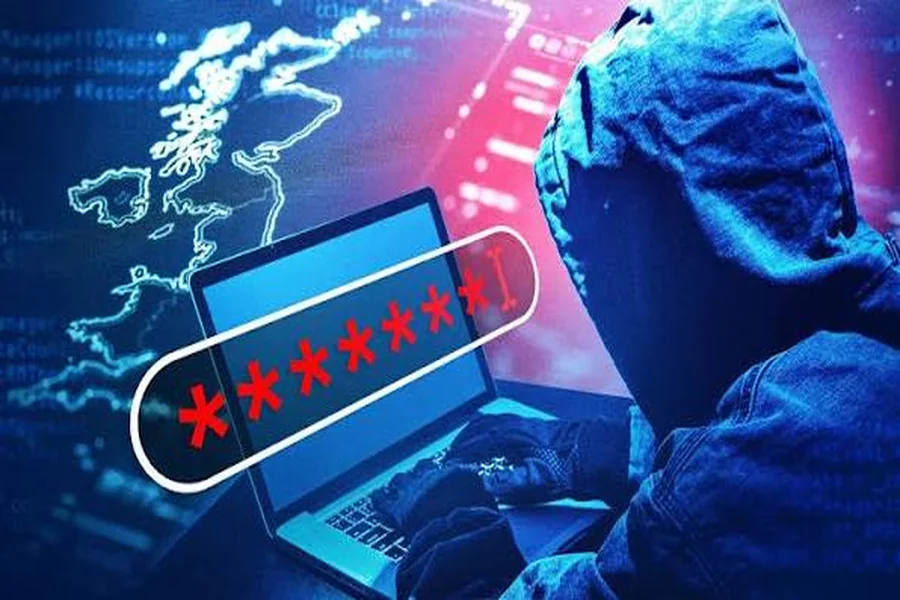
The digital landscape has always been fraught with security challenges, but recent events have escalated these concerns to an unprecedented level. When a Massive Data Breach Exposes Millions of Encrypted User Passwords Worldwide, it sends an immediate shockwave through both the corporate sector and our personal lives. We trust digital platforms with our most sensitive information, relying on their internal security protocols to keep our digital identities safe from malicious actors. However, this recent cyberattack proves that even advanced cryptographic defenses are not entirely foolproof against highly sophisticated hacking syndicates. As the news unfolds, individuals and businesses are scrambling to understand the full scope of the vulnerability and what it means for their long-term digital safety. Our heavy reliance on interconnected cloud services means that a single point of failure can trigger a catastrophic domino effect across multiple industries. Navigating this complex situation requires a clear understanding of how these technological failures occur and a proactive approach to personal cybersecurity. This article breaks down the mechanics of the recent security failure, the implications for everyday internet users, and the critical strategies you need to implement to safeguard your personal data moving forward.
Understanding the Scale of the Cyberattack
The sheer magnitude of this data leak is difficult to fully comprehend without looking at the interconnected nature of modern digital infrastructure. When cybersecurity experts announce that millions of credentials have been compromised, they are not just talking about a single website or a solitary app. Modern technology companies often share underlying cloud servers, authentication protocols, and database management systems. Consequently, a vulnerability in one widespread service provider can expose the user bases of countless partner organizations simultaneously. This widespread exposure affects a massive variety of sectors, ranging from online retail and social media to highly sensitive industries like healthcare and digital banking. The threat actors behind this operation clearly utilized advanced automated tools to scrape, compile, and exfiltrate vast amounts of encrypted data before the internal security systems could even detect an anomaly. What makes this particular incident so alarming is the speed at which the compromised data was cataloged and distributed across illicit dark web marketplaces. Cybercriminals actively trade these massive datasets, breaking them down into smaller, targeted packages sold to other hackers who specialize in identity theft and financial fraud. The ripple effects of this incident will likely be felt for years, as threat actors patiently use the stolen information to launch targeted phishing campaigns, credential stuffing attacks, and social engineering schemes against unsuspecting victims. For the average user, this means that the threat is not localized to a single compromised account but rather spreads across their entire digital footprint.
How Encrypted Data Got Compromised
Encryption is widely considered the gold standard for protecting digital information, which makes the success of this breach particularly concerning to cybersecurity professionals. In a secure system, passwords are never stored in plain text; instead, they are transformed into complex, unreadable strings of characters using cryptographic hashing algorithms. When a user logs in, the system hashes the entered password and compares it to the stored hash to verify identity. However, encryption and hashing are only as secure as the methods and infrastructure used to implement them. In this massive breach, investigators suspect that the attackers did not simply bypass the encryption but rather exploited underlying weaknesses in the cryptographic architecture itself. One common vulnerability involves the use of outdated hashing algorithms, such as MD5 or SHA-1, which can be rapidly cracked using modern graphics processing units and specialized hardware. Another critical failure point could be the compromise of the cryptographic “salt,” which is random data added to a password before hashing to prevent cybercriminals from using precomputed tables of common passwords, known as rainbow tables. If the hackers managed to exfiltrate both the hashed passwords and the cryptographic salts, their ability to reverse-engineer the original passwords increases exponentially. Furthermore, cyberattacks of this scale often involve the theft of decryption keys, which are essentially the master passwords used by the database administrators to manage the encrypted data. If a hacker gains administrative access through a sophisticated spear-phishing attack or an unpatched software vulnerability, they can steal the keys and decrypt the data entirely. This incident highlights a crucial reality in the tech world: encryption is a powerful tool, but it is entirely useless if the surrounding network infrastructure is fragile, misconfigured, or easily manipulated by insider threats.
Immediate Steps to Protect Your Online Identity
Given the severity of this global data leak, relying on corporate security teams to protect your digital identity is no longer a viable strategy. You must take immediate, proactive control over your personal cybersecurity posture to mitigate the risks associated with compromised credentials. The very first action you should take is to update the passwords for all your critical accounts, prioritizing your primary email address, online banking portals, and main social media profiles. When creating new passwords, abandon the outdated practice of using memorable words combined with a few numbers, as these are easily defeated by modern brute-force cracking algorithms. Instead, utilize a reputable password manager to generate and store incredibly complex, unique passwords for every single platform you use. This ensures that if one specific website is breached again in the future, your other accounts remain completely insulated from the fallout. The next crucial step is to enable multi-factor authentication across every service that offers it. Multi-factor authentication acts as a secondary digital checkpoint, requiring not just your password but also a temporary code sent to your mobile device or generated by a dedicated authenticator application. Even if a cybercriminal successfully decrypts your leaked password, they will be unable to access your account without physical possession of your secondary authentication device. Furthermore, you should closely monitor your financial statements and set up automated alerts for any unusual transactions, no matter how small they might seem. Cybercriminals often test stolen financial data with tiny, inconspicuous purchases before attempting a massive withdrawal. Finally, maintain a high state of skepticism regarding any unsolicited emails, text messages, or phone calls claiming to be from security departments or financial institutions, as hackers frequently use the panic surrounding a public breach to launch targeted social engineering attacks aimed at extracting even more personal information.
The Future of Global Cybersecurity Measures
The fallout from this catastrophic security failure will undoubtedly force a major paradigm shift in how global organizations approach data protection and user authentication. The traditional model of cybersecurity, which relied heavily on building a strong perimeter defense to keep hackers out of internal networks, is definitively obsolete. The industry is rapidly pivoting toward a “zero-trust” architecture, a security framework built on the fundamental premise that no user, device, or network request should ever be trusted by default, regardless of their location inside or outside the corporate network. Under a zero-trust model, continuous verification is required at every single digital checkpoint, drastically reducing the potential damage a hacker can cause even if they manage to breach the outer defenses. Additionally, the tech industry is accelerating its transition away from traditional passwords entirely, favoring biometric authentication methods such as fingerprint scanning, facial recognition, and iris tracking. Leading technology consortiums are also pushing for the widespread adoption of passkeys, which use cryptographic tokens stored directly on a user’s physical device to authenticate logins seamlessly without ever transmitting a readable password across the internet. Regulatory bodies and international governments are also expected to respond aggressively to this incident by implementing stricter data privacy laws and imposing massive financial penalties on corporations that fail to adequately secure user data. As artificial intelligence continues to evolve, cybersecurity defense systems will increasingly rely on machine learning algorithms to detect anomalous network behavior in real-time, instantly shutting down unauthorized data extraction before a massive breach can occur. The road to a truly secure digital ecosystem is long and complex, but the harsh lessons learned from this widespread vulnerability will serve as the foundation for a much safer internet infrastructure.
FAQs
What should I do immediately after learning about a global data breach? You must change your passwords across all important platforms and immediately enable multi-factor authentication to secure your accounts.
How do hackers read my passwords if they are supposedly encrypted? Hackers use vast computational power to crack weak hashing algorithms or steal the specific decryption keys required to read the data.
Is it safe to write my new complex passwords down on a piece of paper? Writing passwords down is generally discouraged because physical theft is a risk, so using an encrypted digital password manager is a much safer alternative.
Will using a virtual private network protect me from these types of massive database leaks? A virtual private network encrypts your active internet traffic, but it cannot protect your data once it is already stored on a company’s compromised server.
How can I check if my personal email address was exposed in this specific cyberattack? You can verify your exposure by entering your email address into reputable cybersecurity websites that track and catalog known database breaches.
Can I take legal action against a company that failed to protect my encrypted information? Depending on your local privacy laws and the specific circumstances of the security failure, you may be eligible to participate in a class-action lawsuit against the negligent company.
Final Thought
The revelation that a massive security failure has compromised encrypted credentials on a global scale serves as a stark reminder of our digital vulnerability. We live in an era where data is the most valuable commodity on earth, making it a permanent target for sophisticated and relentless cybercriminals. While corporations bear the heavy responsibility of reinforcing their digital vaults, true security is ultimately a collaborative effort between platform providers and everyday users. By staying informed about emerging threats, utilizing robust authentication tools, and maintaining a healthy level of skepticism toward unsolicited digital communications, you can build a resilient defense around your personal information. Cybersecurity is not a one-time setup but a continuous, evolving practice that requires daily vigilance and adaptation. Embrace modern security technologies, take proactive ownership of your digital footprint, and you will significantly reduce the risk of becoming another statistic in the next inevitable wave of cyberattacks.









1 thought on “Massive Data Breach Exposes Millions of Encrypted User Passwords Worldwide”