Introduction
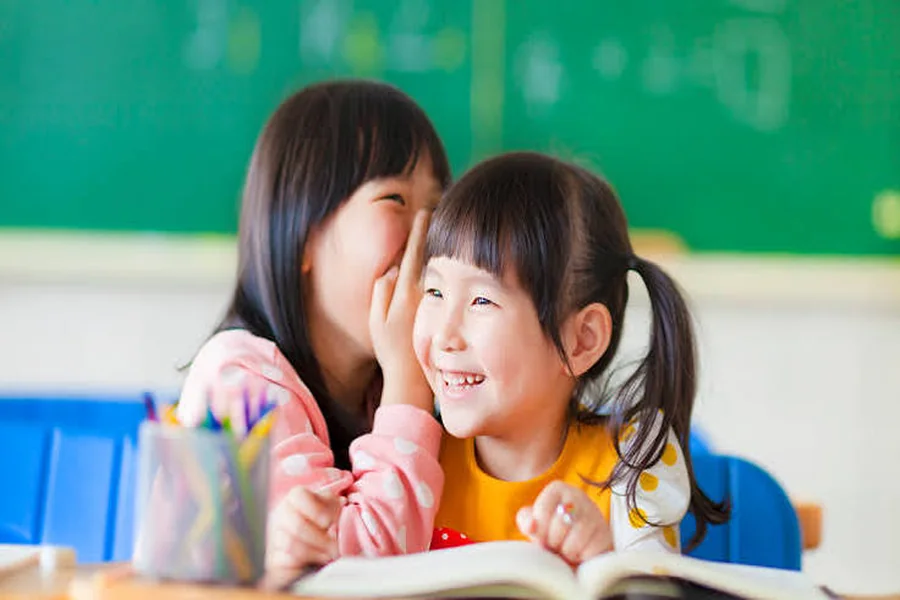
Kidz Puns for Sharing Laughter offer a simple and enjoyable way for children to connect with others through humor. From silly animal jokes to clever food-related wordplay, puns turn familiar words into unexpected punchlines that make people smile. Children can share them at school, during family gatherings, on playdates, or while enjoying a relaxing afternoon at home. A little joke can brighten someone’s mood and make an ordinary moment feel special.
Laughter is an important part of childhood because it encourages social connection and creates positive shared experiences. When children tell jokes, listen to others, and invent funny phrases, they practice communication while expressing their personalities. Parents looking for fresh ideas can explore kidzpuns for playful inspiration and kid-friendly humor. With a few simple puns, families and teachers can make everyday conversations more cheerful and engaging.
Why Sharing Puns Brings People Together
Puns are jokes based on words that have multiple meanings or sound similar to other words. Their humor often comes from a surprising connection. For example, a bicycle that falls over because it is “two-tired” creates a funny link between its two wheels and the feeling of being tired.
Sharing these jokes encourages children to listen carefully and understand how language works. They may begin recognizing double meanings, experimenting with vocabulary, and thinking creatively about everyday expressions. These small activities can make language learning feel natural rather than like a formal lesson.
Puns also help children interact with others. A funny joke can start a conversation, encourage friendly participation, or help a shy child join a group activity. The most enjoyable humor is inclusive and kind, allowing everyone to feel comfortable laughing together.
Funny Kidz Puns to Share With Friends
A collection of easy jokes gives children plenty of opportunities to spread smiles. These family-friendly examples are short enough to remember and simple enough to share with classmates, siblings, and friends.
- Why did the bicycle fall over? It was two-tired.
- What do you call a bear without teeth? A gummy bear.
- Why did the banana visit the doctor? It wasn’t peeling well.
- What do you call a sleeping bull? A bulldozer.
- Why are fish so clever? They live in schools.
- What did one wall say to the other wall? I’ll meet you at the corner.
- Why was the math book sad? It had too many problems.
- What do you call cheese that isn’t yours? Nacho cheese.
- Why couldn’t the pony sing loudly? It was a little horse.
- What do clouds wear under their clothes? Thunderwear.
- Why did the cookie visit the hospital? It felt crummy.
- What kind of tree fits in your hand? A palm tree.
- What do you call an alligator wearing a vest? An investigator.
- Why did the orange stop rolling? It ran out of juice.
- What did the ocean say to the beach? Nothing, it just waved.
Children can take turns reading these jokes aloud or let their friends guess each punchline. They can also explain the wordplay, helping everyone understand what makes each joke funny.
Fun Activities for Sharing Laughter
One easy activity is a joke circle. Children sit together and take turns telling a pun. Everyone listens, reacts, and shares their own favorite joke. If someone cannot think of a punchline, the group can offer suggestions and help them build confidence.
Another idea is to create a laughter jar. Write different puns on small pieces of paper and place them in a container. During dinner, family game night, or a rainy afternoon, each person picks a joke and reads it aloud. Children can add original jokes to the jar as they create them.
A pun drawing challenge combines humor with art. Give children a joke and ask them to draw what it describes. For example, they might illustrate a bulldozer driven by a sleepy bull. Displaying these pictures at home or in a classroom can turn the activity into a cheerful mini exhibition.
Families can also organize a friendly joke contest. Choose a theme, such as animals, food, sports, or school, and invite everyone to share a related pun. Instead of focusing only on the funniest joke, celebrate creativity, participation, and original ideas.
Helping Kids Create Their Own Puns
Children can begin making their own jokes with familiar words. Ask them to choose an animal, food, object, or activity and think about whether the word has another meaning or sounds like something else. Words such as “star,” “light,” “bear,” and “train” can inspire playful combinations.
Reading funny stories and listening to other jokes can help children develop ideas, but encourage them to add their own twists. They might keep a small notebook for funny phrases or create a comic strip featuring their favorite characters.
Adults should respond positively to children’s attempts, even when a joke needs a little work. Asking, “What makes that funny?” or “Can you think of another word?” helps children refine their ideas without feeling discouraged.
It is also important to keep humor respectful. Jokes should not target someone’s appearance, abilities, or personal differences. Teaching children to make others laugh kindly helps them build positive friendships and understand how humor affects people.
Final Thought
Kidz Puns for Sharing Laughter make it easy for children to enjoy humor while strengthening friendships and exploring language. Whether they share classic jokes, create funny drawings, or invent original wordplay, children can turn simple moments into happy memories.
Make laughter part of everyday life by sharing a joke at breakfast, during a classroom break, or at the next family gathering. Encourage every child to participate and remind them that humor is most enjoyable when everyone feels included. Sometimes, one small pun is all it takes to brighten someone’s day.
FAQs
1. What are kid-friendly puns?
Kid-friendly puns are simple jokes that use words with multiple meanings or similar sounds to create fun and appropriate humor for children.
2. Why should children share jokes with others?
Sharing jokes encourages communication, builds social connections, and gives children opportunities to express themselves in a fun and friendly way.
3. How can families make pun-sharing more enjoyable?
Families can organize joke circles, create a laughter jar, draw funny punchlines, or hold friendly contests based on different themes.
4. Can puns help children develop language skills?
Yes, puns encourage children to notice word meanings, expand vocabulary, recognize sound patterns, and think creatively about language.
5. How can children create their own funny puns?
Children can start with familiar words, look for double meanings or similar sounds, and combine them into short jokes with unexpected punchlines.