You wanted smoother skin, better makeup, maybe that clean glow people post about after a treatment at a Bensalem, PA med spa. Then the worry sets in. If your skin already runs oily, clogs easily, or flares after almost anything new, the idea of dragging a blade across your face can feel like a gamble. That fear makes sense. Dermaplaning can help some people by removing dead skin and fine facial hair, but it can also irritate acne-prone skin, spread bacteria across inflamed areas, and leave you dealing with new bumps that were not there before.
The short version is simple. Facial shaving works best on skin that is calm, not actively breaking out, and not already stripped by strong exfoliants or acne treatments. It tends to go wrong when the skin barrier is weak, when inflamed acne is present, or when at home tools are used too often or without proper cleaning. If your skin is reactive, a professional dermaplaning treatment at a med spa is usually safer than trying to copy what you saw online.
Dermaplaning helps when the skin is stable and the goal is gentle exfoliation
Dermaplaning removes the top layer of dull dead skin cells along with vellus hair, the soft peach fuzz that can trap oil and make foundation sit unevenly. For the right person, that means smoother texture, brighter skin, and products that apply more evenly. It can be useful before an event when your skin is not inflamed and you want a polished finish without a lot of downtime.
It also appeals to people who cannot tolerate scrubs. A rough scrub can create tiny tears, especially if you press hard or use it too often. The American Academy of Dermatology has clear guidance on how to safely exfoliate at home, and the key point is restraint. Your skin does not need aggressive exfoliation to look better. It needs the right kind, at the right time, in the right amount.
When dermaplaning is done on healthy skin, with sterile tools and light pressure, it can be one of the cleaner forms of physical exfoliation. That is the part people hear. What often gets skipped is who should pause before booking it.
Dermaplaning can trigger breakouts when acne, irritation, or clogged pores are already present
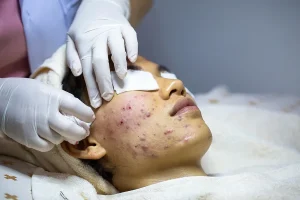
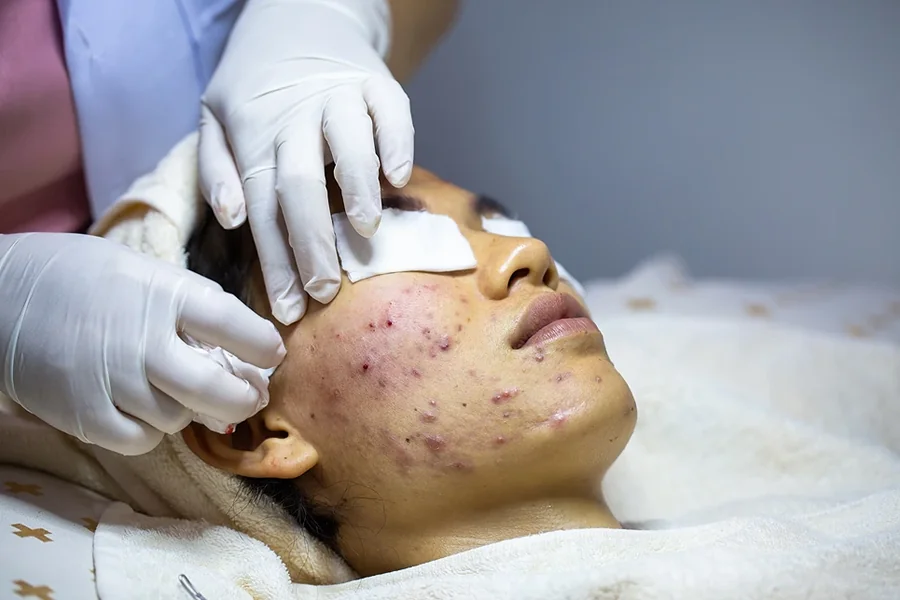
If you have active acne, especially red, tender pimples or pustules, dermaplaning can make things worse. The blade passes over inflamed skin, which can open lesions, spread debris and bacteria, and create more irritation in nearby pores. You may not notice the fallout right away. Two or three days later, the bumps show up, and it feels like your skin turned on you for no reason.
This is where people get frustrated. The treatment looked clean and simple. The breakout feels random. It usually is not random. Skin that is already dealing with congestion, retinoids, benzoyl peroxide, acids, or over-cleansing has less margin for friction. Add a blade, and the barrier may tip from “coping” to “angry.” The AAD also shares practical skin care tips for acne-prone skin, and many of them come back to the same idea. Keep inflammation down. Do not pile irritation on top of irritation.
There is also a difference between clogged pores and active breakouts. If your main issue is rough texture with a few closed comedones, some providers may still consider a careful treatment plan. If you have cystic acne, widespread pustules, eczema, rosacea, sunburn, or skin that stings from basic cleanser, the risk climbs fast. In those cases, a blade is usually not the first move. Barrier repair and acne control come first.
At home facial shaving and professional dermaplaning do not carry the same risk
At home, people often use a dull tool, too much pressure, poor lighting, or a skin care routine that is already too strong. Then they follow the shave with acids because they want “extra smooth” skin. That combination can leave you with razor burn, tiny cuts, and a breakout that looks half acne and half irritation. General aftercare advice from MedlinePlus on caring for your skin after shaving lines up with what reactive facial skin needs too. Keep the area clean, avoid harsh products, and watch for signs of irritation.
Professional treatment is not magic, but it does remove some of the common mistakes. A trained provider can look at your skin, spot signs of inflammation, ask about retinoids and acne medications, and tell you when to wait. That alone prevents many bad outcomes. A good med spa should be willing to say no when your skin is not a fit that day.
DIY facial shaving and med spa dermaplaning differ in cost, control, and breakout risk
| Factor | DIY Facial Shaving | Professional Dermaplaning at a Med Spa |
|---|---|---|
| Upfront cost | Low | Higher per session |
| Tool quality and sterility | Varies widely | Usually medical grade and properly handled |
| Skin assessment before treatment | Self judged, easy to misread irritation | Done by a trained provider |
| Risk with active acne | High | Still present, but more likely to be avoided or postponed |
| Chance of overdoing frequency | Common | Usually scheduled with spacing |
| Best fit | Calm skin, simple maintenance, experienced users | People who want guidance, precision, and safer technique |
Small decisions before and after dermaplaning affect whether your skin stays calm
If your skin breaks out easily, timing matters as much as technique. Do not book dermaplaning right after a peel, during a flare, or while testing new acne products. Do not use retinoids, exfoliating acids, or scrubs right before or right after unless your provider tells you otherwise. Keep the routine plain for a few days. Gentle cleanser, bland moisturizer, sunscreen. That is usually enough.
You also need honest expectations. Dermaplaning for acne-prone skin is not acne treatment. It can improve texture and surface dullness, but it does not fix hormonal acne, deep congestion, or chronic inflammation. If the main problem is breakouts, the better investment may be a treatment plan built around acne control rather than exfoliation.
Three steps to take before booking dermaplaning
Check your skin honestly. If you have red, sore pimples, peeling from retinoids, or a burning feeling when you wash your face, hold off. Calm skin first, exfoliation second.
Review your current products. If you use tretinoin, adapalene, benzoyl peroxide, salicylic acid, glycolic acid, or at home peels, tell the provider. Those details change whether skin resurfacing with a blade is a smart choice right now.
Ask what happens if your skin is not a candidate that day. A trustworthy med spa will offer another path instead of pushing through. That might mean rescheduling, adjusting your routine, or choosing a gentler service.
You do not need to guess your way through this. If your skin is smooth one week and breaking out the next, that pattern can make every treatment feel risky. The right plan respects what your skin is doing now, not what you wish it would tolerate. If you are considering dermaplaning at a med spa, get your skin assessed first and choose a provider who is willing to protect your barrier, even if that means waiting.