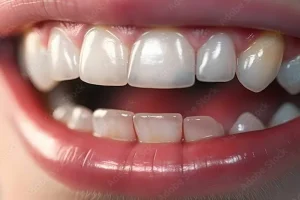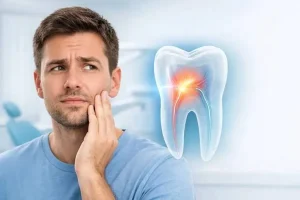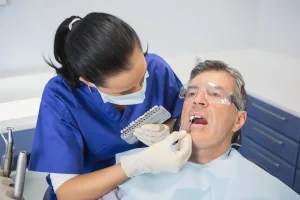
You brush, you floss when you remember, and you probably tell yourself you will book that cleaning soon. Then life gets busy, your tooth does not hurt, and the appointment slips again. That is how a lot of oral problems begin. They do not start with a crisis. They start quietly, with plaque that hardens, gums that bleed a little, and small cavities that stay hidden until they are expensive, painful, or both. In some cases, early treatment can even help save an infected tooth with root canal therapy in Pasadena, TX.
Preventive dentistry protects you from that slow build. It is not just about keeping your teeth looking nice. It lowers the risk of decay, gum disease, tooth loss, and the kind of dental work that drains your time and money. If you want a simpler path, regular care with a family dentist usually costs less, hurts less, and gives you more control than waiting for something to go wrong.
Preventive dental care stops small problems before they grow
A lot of people avoid the dentist because they expect bad news. That fear makes sense. No one wants to hear they need a filling, a crown, or gum treatment. The hard part is that avoiding routine visits often makes those outcomes more likely.
Tooth decay does not always announce itself. According to the National Institute of Dental and Craniofacial Research, dental caries in adults remain common, and untreated decay can keep spreading beneath the surface. A spot that could have been caught early during an exam can turn into a deeper cavity, then a root canal, then a tooth that becomes harder to save.
Your gums follow the same pattern. Mild irritation can seem easy to ignore. Maybe you notice a little blood when you floss, or your breath changes, or your teeth feel sensitive near the gumline. Gum disease often starts there. The CDC explains periodontal disease as a condition that can damage the tissue and bone supporting your teeth. Once bone loss begins, routine brushing at home cannot reverse it.
This is where preventive dental care matters. Cleanings remove hardened buildup you cannot remove with a toothbrush. Exams catch changes before they turn into pain. X rays can show decay between teeth, bone loss, or hidden issues under old dental work. That is the difference between a manageable fix and a long treatment plan.
Long term oral health is tied to daily habits and regular checkups
You do not need perfect habits to protect your mouth. You need steady ones. Most oral disease is preventable, but prevention works best when home care and professional care support each other.
At home, brushing twice a day with fluoride toothpaste, cleaning between your teeth, and cutting back on sugary drinks can reduce the daily damage that leads to cavities and gum inflammation. The CDC oral health tips for adults cover these basics because they work.
A family dentist adds another layer. Children, teens, adults, and older adults all face different risks. Kids may need sealants and guidance on brushing. Adults often deal with stress grinding, gum recession, or old fillings that start to fail. Older adults can face dry mouth from medications, worn teeth, and higher risk of root decay. A dentist who sees the whole family can spot patterns early and help each person stay ahead of them.
That is the real value of oral disease prevention. You are not waiting for pain to tell you something is wrong. You are building a routine that keeps problems smaller, rarer, and easier to treat.
Preventive dentistry usually costs less than delayed treatment
The financial side is often what pushes people to postpone care. If money feels tight, a cleaning can seem easier to delay than rent, groceries, or child care. The problem is that untreated issues tend to get more expensive fast.
| Situation | Preventive Approach | Delayed Care Outcome |
|---|---|---|
| Early plaque and tartar buildup | Routine cleaning and exam | Gingivitis, deeper cleaning, ongoing gum treatment |
| Small cavity between teeth | Detected on exam or X ray, treated with a simple filling | Larger decay, possible crown or root canal |
| Night grinding and jaw tension | Early evaluation and custom night guard | Cracked teeth, worn enamel, headaches, costly repairs |
| Mild gum bleeding | Home care coaching and regular periodontal checks | Advanced gum disease, bone loss, loose teeth |
You can see the pattern. Prevention does not promise a perfect mouth. It gives you a better chance of dealing with simpler, cheaper problems instead of complex ones. It also protects your schedule. A cleaning is easier to fit into your life than multiple long visits for emergency treatment.
Simple preventive steps protect your teeth and gums now
- Book routine visits before you feel pain.
Pain is a late signal. Schedule regular exams and cleanings with a family dentist and keep them on the calendar. If dental visits make you anxious, say that when you book. A good office will work with you, not judge you.
- Tighten up the habits that matter most.
Brush twice a day with fluoride toothpaste. Clean between your teeth once a day with floss or interdental cleaners. If you sip soda, juice, or sports drinks often, cut back where you can. Small changes done every day do more than a short burst of perfect effort.
- Pay attention to early warning signs.
Bleeding gums, bad breath that lingers, tooth sensitivity, dry mouth, jaw soreness, and a rough edge on a tooth all deserve attention. These signs are easy to dismiss when life is full. They are also the signs that often lead to bigger problems when ignored.
Family dentist care supports healthier smiles for the long run
Most long term oral issues do not arrive all at once. They build in the background while you are busy handling everything else. That is why prevention works so well. It meets problems early, when treatment is simpler and your choices are wider.
If you have been putting off care, you are not alone, and you are not too late to start. A regular visit, better daily habits, and early attention to small symptoms can protect your teeth and gums for years. Reach out to a trusted family dentist and schedule your next preventive appointment.