You can have straight teeth, a healthy bite, and still feel that something looks off in profile. That feeling is common. Many people notice their smile from the front looks fine in photos, yet from the side the teeth seem too tucked in, too pushed out, or oddly flat against the lips. The issue is often not tooth color or alignment alone. It is the angle of the front teeth, especially the upper incisors. If you are discussing these concerns with a family dentist in Van Nuys, CA, they may help you understand how tooth position affects your profile.
Incisor torque is the front to back tilt of the incisor teeth within the bone. That small detail changes how your lips sit, how much tooth shows at rest, and whether your profile looks soft and balanced or strained and artificial. In cosmetic dentistry and orthodontics, torque is one of the quiet details that separates a smile that looks treated from one that looks natural.
Incisor torque shapes the side profile as much as the smile itself
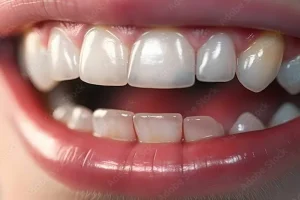
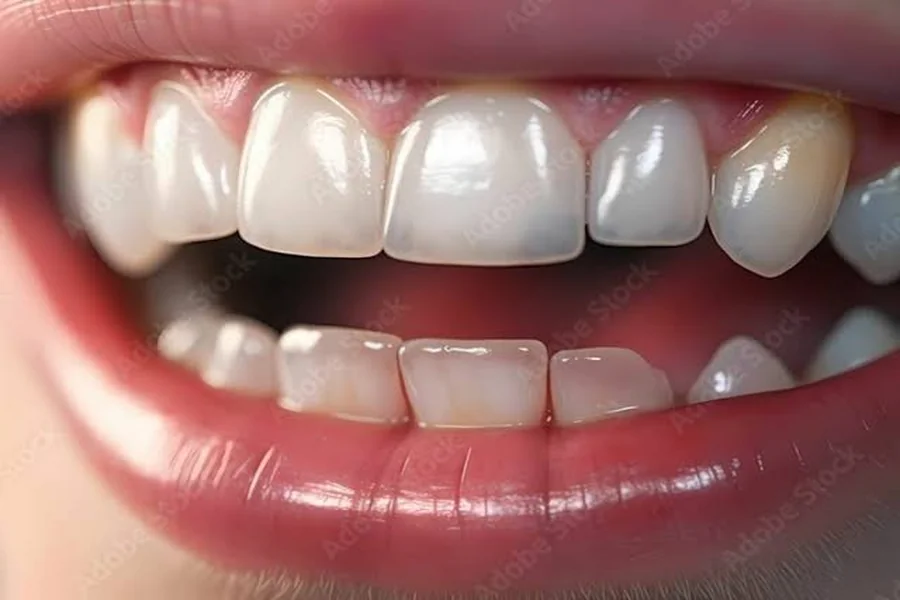
When upper incisors lean too far inward, the smile can lose support. The upper lip may look flatter, the smile arc can seem weak, and the profile may read as older or more sunken. When they lean too far outward, the lips may look strained and the teeth can appear prominent even if they are technically straight. You see the result every time you relax your face, speak, or turn to the side.
This is why a side view matters. A treatment plan built only around crowding or spacing can miss the facial effect of tooth position. You might finish treatment with neat alignment and still feel disappointed because the smile does not fit your face. That is often where incisor inclination in smile design enters the conversation.
Torque also affects function. The front teeth guide speech, lip closure, and the way upper and lower teeth meet. Pushing them to an angle that looks good in one photo but ignores the bite can create new problems. Good treatment respects both appearance and mechanics.
Natural looking smile design depends on facial support, not just straight teeth
A natural result comes from proportion. Your orthodontist or cosmetic dentist looks at lip posture, tooth display at rest, gum show, facial convexity, and how the incisors sit relative to the nose, chin, and upper lip. One person may need more forward torque to restore lip support. Another may need less to reduce protrusion and improve closure without flattening the face.
This is where cookie cutter treatment falls short. Two patients can have the same amount of crowding and need very different torque. If one has a thinner upper lip and a flatter midface, pulling the incisors back too much can erase support. If another already has lip strain, adding too much forward inclination can make the profile feel crowded.
Research has backed up the idea that front tooth position affects smile esthetics and facial perception. A published review on smile esthetics and dental positioning discusses how dental and facial factors work together rather than in isolation. Clinical standards matter too. The ADA review of dental practice standards reflects the broader need for careful diagnosis, records, and treatment planning when appearance and function are both at stake.
Small changes in incisor torque can create very different profile outcomes
You do not need a dramatic change for the face to look different. A few degrees of torque can alter tooth show and lip support in a way people notice without knowing why. That is why side photos, digital scans, cephalometric analysis, and mockups matter. They help predict whether a proposed change will look refined or forced.
People often assume veneers alone can fix a flat or protrusive side profile. Sometimes they help, sometimes they make the problem worse. Veneers can add bulk and change visible tooth angle, but they cannot safely replace orthodontic control when the root position and bite need correction. The same is true in reverse. Braces or aligners can improve tooth angulation, but some cases still benefit from cosmetic finishing for edge shape, symmetry, or color. The best result often comes from coordination between the two.
Cosmetic dentistry and orthodontics address different parts of the same problem
| Approach | What it can improve | Limits to know | Best fit |
|---|---|---|---|
| Orthodontic treatment | Root position, bite, tooth angulation, arch form, front tooth torque | Takes time, may not change tooth shape or color | Teeth that look off from the side because of position |
| Cosmetic dentistry | Shape, length, width, color, visible surface contour | Cannot fully correct root angulation or bite issues on its own | Teeth that are well positioned but need esthetic refinement |
| Combined treatment | Profile balance, smile arc, tooth display, finish details | Needs careful planning across both disciplines | Cases where alignment and appearance both affect the result |
This is the practical side of orthodontic incisor torque. If your concern is the way your smile looks from the side, the right answer is not always faster treatment. It is accurate diagnosis.
Three steps help you avoid a smile that looks technically straight but visually off
Ask for profile based planning. Request side photos, not just front smiling photos. Ask how the upper incisors affect lip support and facial balance. If no one is discussing your profile, an important part of the plan may be missing.
Ask what will change and what will not. Clear aligners, braces, bonding, and veneers all have different strengths. Ask whether your concern is due to tooth angle, tooth shape, or both. This single question can save time, money, and disappointment.
Look at the face, not just the teeth. Bring photos of yourself at rest and in profile that you like. Point out whether you feel your smile looks flat, protrusive, or unsupported. Those words help guide treatment toward a natural result rather than a generic one.
A natural side profile comes from control, restraint, and planning
The best smiles do not look manufactured. They fit the face, support the lips, and hold up when you are talking, laughing, or simply at rest. That is the real role of incisor torque. It is not a minor technical detail. It is one of the keys to a smile that looks like you, only more balanced.
If you are weighing treatment with a cosmetic dentist and orthodontist, ask for a plan that considers your profile as carefully as your front view. That is how you avoid a result that is straight but still does not feel right.