Consumer electronics continue to evolve as manufacturers introduce smarter, faster, and more connected devices. The latest trends in consumer electronics technology are changing how people communicate, work, relax, manage their homes, and protect their health. From artificial intelligence in smartphones to advanced televisions, wearable devices, and connected home systems, technology is becoming increasingly personalized and convenient. Consumers now expect products that offer useful features, reliable performance, stronger privacy controls, and better energy efficiency. Understanding these developments helps buyers make informed decisions and allows businesses to recognize changing customer expectations. As innovation continues, practical functionality and long-term value are becoming just as important as impressive specifications.
Artificial Intelligence in Everyday Devices
Artificial intelligence is becoming a major feature of modern consumer electronics. Smartphones, laptops, headphones, and smart home devices increasingly use AI to improve everyday tasks. Depending on the product, these capabilities may include voice assistance, photo enhancement, real-time transcription, language translation, personalized recommendations, and noise reduction during calls. Some computers can also run AI tasks directly on the device, potentially improving response times and reducing the need to send certain information to remote servers. However, features and performance vary by model, and some functions require an internet connection or paid services. Consumers should look beyond marketing claims and consider whether AI capabilities provide genuine benefits. Privacy settings, software support, and compatibility are important factors when choosing AI-enabled electronics.
Smart Home Technology and Connected Living
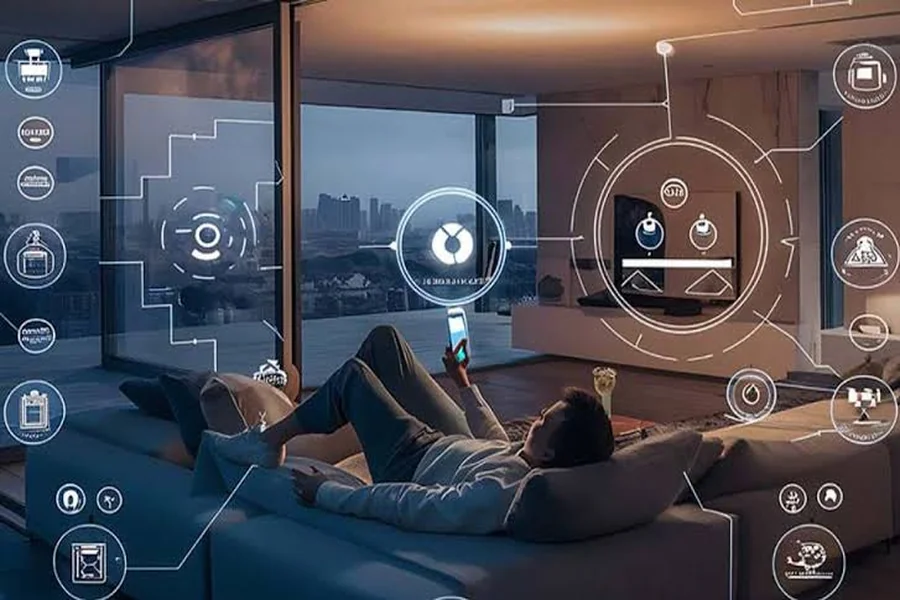
Smart home devices are making household management more convenient by connecting lighting, thermostats, security cameras, door locks, speakers, and appliances. Through mobile applications or voice commands, users can automate routine activities, monitor selected devices remotely, and adjust settings to match their preferences. Interoperability is also improving as manufacturers work toward more consistent communication between products from different brands. Before purchasing smart home equipment, consumers should check whether devices support the same ecosystem and connectivity standards. Technology news and online resources, including feeltextz, can help readers stay informed about broader digital developments and emerging consumer technologies. Security remains essential, so users should install updates, choose strong passwords, enable multifactor authentication where available, and review which devices can access their home network.
Wearable Technology and Personal Wellness
Wearable electronics have expanded beyond basic step counters and fitness trackers. Smartwatches and connected rings can monitor activity, estimate sleep patterns, measure heart rate, and provide reminders that encourage healthier daily routines. Some devices offer additional features such as blood oxygen estimates or notifications about irregular heart rhythms, although availability depends on the model and region. These measurements can help users understand general patterns, but they are not substitutes for professional medical assessment. Battery life, comfort, durability, and compatibility with smartphones remain important buying considerations. Manufacturers are also improving displays, sensors, and energy management to make wearable devices more practical. As these products become more sophisticated, transparent data policies and user control over personal information will be increasingly important.
Advances in Displays, Audio, and Entertainment
Home entertainment technology continues to improve through better displays, immersive sound, and more flexible streaming experiences. OLED and advanced LED-based televisions offer different combinations of contrast, brightness, color quality, and price, giving consumers more options for different rooms and budgets. High refresh rates can improve motion clarity for gaming and supported video content, while modern soundbars and wireless headphones make it easier to create immersive listening experiences. Gaming devices are also benefiting from faster processing, improved graphics, and accessories designed for greater comfort. Buyers should compare real-world performance rather than focusing on a single specification. Room lighting, viewing distance, supported content, connectivity, and long-term software support can all influence whether an entertainment product provides good value.
Energy Efficiency, Repairability, and Sustainable Design
Sustainability is becoming an important consideration in consumer electronics. Manufacturers are working to improve power efficiency, reduce packaging, use recycled materials, and extend product lifespans through software support and repair options. Energy-efficient televisions, laptops, chargers, and smart appliances can help reduce electricity consumption, although actual savings depend on usage and product design. Repairability also matters because replacing a battery or damaged component may be more economical than buying an entirely new device. Consumers can contribute by selecting durable products, checking warranty coverage, and recycling old electronics through appropriate collection programs. Before purchasing, it is worth reviewing the expected software support period, availability of replacement parts, and energy requirements. A device that lasts longer can offer better overall value than one with more features but a shorter useful life.
Final Thought
The latest developments in consumer electronics are making everyday technology more intelligent, connected, personalized, and energy-conscious. AI-enabled devices, smart home systems, wearable electronics, improved entertainment products, and sustainable designs each offer different benefits. However, the best product is not necessarily the newest or most expensive option. Consumers should evaluate practical features, compatibility, privacy protections, durability, and total ownership costs before making a decision. It is also important to understand how a device handles personal information and how long it will receive software updates. By focusing on genuine needs rather than temporary trends, buyers can choose electronics that improve daily life and provide lasting value as technology continues to advance.
FAQs
1. What are the latest trends in consumer electronics technology?
Major trends include AI-powered devices, smart home connectivity, advanced wearables, improved television displays, wireless audio, and greater attention to energy efficiency and repairability.
2. How is AI changing consumer electronics?
AI can improve voice assistance, photography, translation, audio quality, personalization, and automation. The available features depend on the device and its software.
3. Are smart home devices safe to use?
Smart home devices can be used more safely when users install updates, set strong unique passwords, enable multifactor authentication when available, and review privacy permissions.
4. What should consumers consider before buying new electronics?
Consumers should compare performance, price, compatibility, battery life, warranty coverage, repair options, privacy controls, and the length of software support.
5. How can consumers make electronics purchases more sustainable?
Consumers can choose durable and repairable products, keep devices in use longer, select energy-efficient models, and recycle unwanted electronics through responsible collection services.