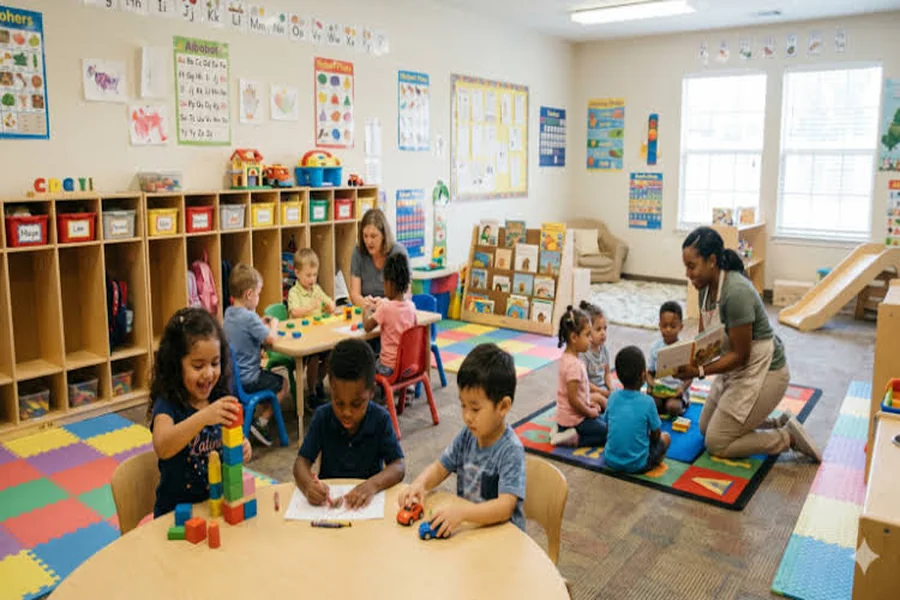
Parents trust daycare centers to protect their children while they work. Yet a welcoming classroom and friendly staff do not guarantee safety. Strong supervision, careful hiring, and honest reporting procedures matter more than appearances. When a facility fails to protect a child from sexual abuse, families need clear information and practical support. Understanding daycare sexual abuse claims in New York can help parents explore legal options while keeping a child’s immediate needs at the center.
Preventing abuse is not only about choosing the right caregiver. It requires safeguards and shared responsibility. Four steps can help parents recognize concerns, preserve information, and understand legal accountability.
1. Look Beyond Appearances When Evaluating Daycare Safety
A clean facility and welcoming staff create a positive impression, but reveal little about safety procedures. Parents should ask how employees are screened, children supervised, and complaints handled.
Effective safeguards include background checks, clear staff interaction rules, suitable staff-to-child ratios, and training on recognizing and reporting suspected abuse. Management should investigate complaints instead of dismissing them.
Parents can ask whether visitors are monitored, whether staff can be alone with children without oversight, and how the facility responds to boundary violations. Directors should explain their policies clearly.
In New York, childcare providers may face licensing and oversight requirements based on the facility type. Parents in New York should ask about specific safety procedures. No system eliminates every risk, but careful hiring, supervision, and prompt responses can reduce opportunities for misconduct.
2. Respond Carefully When a Child Shares a Concern
Young children may struggle to explain sexual abuse because they lack the words to describe what happened. A child might suddenly fear a particular adult, resist attending daycare, display unusual behavior, or make a troubling statement. These signs do not prove abuse, but they deserve attention.
If a child shares a concern, remain calm and listen without judgment. Let the child speak in their own words. Avoid leading questions, repeated questioning, or promises that everything will remain secret. This helps the child feel heard without influencing their account.
Record the child’s words, the date, and observations. Preserve messages, emails, daycare reports, and other records. Avoid confronting a suspected abuser if doing so could put the child at risk or interfere with an investigation.
If there is immediate danger, contact emergency services. Suspected abuse should also be reported to the appropriate authorities. Families in New York can consult official child abuse prevention and reporting resources and professionals about next steps. New York reporting procedures may vary with the circumstances.
The priority is the child’s safety, not obtaining a complete account at home. Trained professionals can conduct an appropriate interview and assess the information.
3. Examine Whether the Institution Failed Its Duty
The person who commits sexual abuse is responsible for that conduct. However, a daycare operator may also face legal scrutiny when its failures contributed to the harm. Investigators may examine hiring decisions, supervision practices, staff training, earlier complaints, and management’s response to warning signs.
A facility might ignore complaints about an employee or fail to enforce supervision rules. Such facts may help show whether the organization acted negligently.
An incident does not automatically establish a daycare’s legal responsibility. Liability depends on the facts, applicable law, and the link between the institution’s conduct and the harm. Evidence may include employment records, internal communications, witness statements, inspection documents, and written policies.
A lawyer experienced in institutional abuse cases can help identify potentially responsible parties and explain what evidence may be needed. Depending on the circumstances, those parties might include the individual accused of abuse, the daycare operator, a management company, or another organization with relevant responsibilities.
For families considering legal action in New York, an investigation may clarify whether institutional failures contributed to the incident. Accountability can also encourage better reporting procedures, stronger supervision, and improved protection for other children.
4. Understand Legal Options Without Rushing the Process
Families may need time to understand what happened before deciding whether to pursue a civil claim. Medical care, emotional support, and a safe childcare arrangement should come first. Legal questions can be addressed alongside these needs without pressuring a child to discuss painful experiences before they are ready.
A civil lawsuit differs from a criminal investigation. Criminal proceedings focus on whether a person committed a crime. A civil claim may seek compensation from an individual or institution that can legally be held responsible. The processes are separate and may proceed independently.
Depending on the circumstances, damages may cover therapy, medical expenses, emotional suffering, and other losses recognized by law. The available recovery depends on the evidence and the specific claim.
Filing deadlines deserves particular attention. The Child Victims Act created a temporary revival window for certain childhood sexual abuse claims, but that window closed on August 14, 2021. Some survivors may still have time to file civil lawsuits under current law. Eligibility depends on the facts and applicable legal rules, so families should not assume a claim is available or barred without case-specific advice.
A qualified attorney can explain potential defendants, deadlines, confidentiality, and what a lawsuit may involve. Seeking legal guidance does not commit a family to litigation; it helps them understand their choices.
Building a Safer Culture Around Childcare
Protecting children requires adults who take concerns seriously, facilities that enforce safeguards, and reporting systems that work. Parents, caregivers, regulators, and childcare leaders all contribute to safety.
When abuse is suspected, a child’s needs should guide every decision. Listening without blame, preserving information, seeking support, and reporting concerns can help families act responsibly.
For families in New York, understanding legal options may clarify whether a daycare or another institution should be held accountable. Reliable information and qualified support can help parents protect children and decide what comes next.
Frequently Asked Questions
What should parents do if they suspect daycare sexual abuse?
Ensure the child is safe, listen calmly, document observations, and report reasonable concerns to the appropriate authorities. Seek medical or mental health support when needed.
Can a daycare be held responsible for sexual abuse?
Possibly. A facility may face civil liability if evidence shows that negligent hiring, inadequate supervision, or another legally recognized failure contributed to the abuse. Each case requires individual assessment.
Is there a deadline to file a civil claim?
Yes, but the deadline depends on the circumstances and applicable law. The Child Victims Act changed filing rules for childhood sexual abuse claims, so a qualified attorney should review the facts and relevant deadlines promptly.