You notice it fast when your pet stops eating. The full bowl sits there, treats get ignored, and the usual interest in dinner just disappears. That can feel unsettling within a few hours, and frightening by the next day, especially if your dog or cat already seems tired, nauseated, or withdrawn. Loss of appetite is not just a picky day for many pets. It can be an early sign of pain, digestive trouble, dental disease, stress, infection, or a deeper medical problem that needs prompt care, and in some cases may even lead to pet surgery Oakville.
Veterinary teams take a reduced or absent appetite seriously because food intake affects hydration, energy, healing, and organ function. In cats, going too long without eating can create added risk for liver disease. Cornell’s feline health experts explain that anorexia in cats is often a symptom of illness rather than a behavior problem. The goal at an Animal Hospital is usually simple and urgent at the same time. Find out why your pet is not eating, protect them from the effects of poor intake, and start support before weakness turns into a crisis.
Veterinary hospitals treat poor appetite as a symptom, not a personality trait
A pet who will not eat may look calm from across the room, but the reason underneath can range from mild nausea to a surgical emergency. That is why hospitals do not start with appetite stimulants alone. They begin with the whole picture. How long has your pet eaten less than normal. Are they still drinking. Is there vomiting, diarrhea, coughing, drooling, weight loss, bad breath, fever, or trouble swallowing. A dog with pancreatitis, a cat with kidney disease, and a pet in pain after an injury can all show the same basic sign, which is a weak appetite.
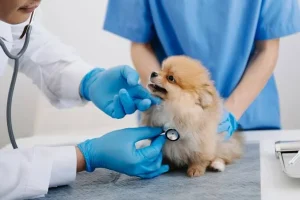
The exam usually focuses on hydration, body condition, temperature, abdominal pain, oral health, and signs of stress or neurologic change. Bloodwork, urine testing, X rays, ultrasound, or other imaging may follow. If your pet has been eating only tiny amounts, the team also looks at calorie intake over several days because “a little here and there” often adds up to far less than the body needs.
This is where many owners get stuck. You may wonder if you should wait one more day, switch foods again, or hand feed a few bites and hope it turns around. Sometimes it does. Sometimes that delay means dehydration worsens, nausea spirals, and the pet feels even less able to eat. Hospitals are trying to interrupt that cycle early.
Support for pets with weak appetite often starts before the final diagnosis
Once a pet stops eating, the lack of nutrition becomes part of the problem. Low intake weakens muscles, slows recovery, and can make medications harder to tolerate. Veterinary hospitals often begin supportive care while they continue the workup. That may include fluids, anti nausea medication, pain relief, acid control, warming, treatment for constipation, or dental and oral care if the mouth hurts.
Nutrition support is often more structured than owners expect. Veterinary nutrition services look at calorie goals, protein needs, disease specific diets, and the safest way to feed a pet that is reluctant or unable to eat. Virginia Tech’s veterinary teaching hospital outlines how clinical nutrition services help tailor feeding plans to the patient’s condition, which matters because the right diet for kidney disease is not the right one for pancreatitis, and neither is the same as recovery feeding after surgery.
Some pets need appetite stimulants. Some do better when nausea and pain are controlled first. Some need syringe feeding for a short period, and others need a feeding tube because it is safer, less stressful, and far more reliable than forcing food by mouth. That sounds intimidating until you realize the tube may be the reason a pet gets enough calories to heal.
Home efforts and hospital care carry very different risks when a pet is not eating
| Approach | What owners often try | Possible benefit | Main risk | When hospital care is the better choice |
|---|---|---|---|---|
| Food changes at home | Warming food, offering canned food, chicken, or treats | May tempt a mildly stressed pet to eat | Can mask a worsening illness or upset the stomach more | If appetite drop lasts more than 24 hours, or sooner for cats, seniors, and sick pets |
| Hand feeding or syringe feeding | Offering tiny bites or pushing soft food by mouth | Sometimes helps if the pet is willing and alert | Stress, food aversion, aspiration, and inaccurate calorie intake | If the pet resists, coughs, drools, vomits, or seems weak |
| Appetite stimulant only | Using a prescribed stimulant without further testing | Can help some pets eat sooner | Does not fix pain, obstruction, infection, or organ disease | If other signs are present, including vomiting, weight loss, or lethargy |
| Hospital based nutrition support | Exam, diagnostics, fluids, medications, feeding plan | Addresses both cause and calorie needs | Higher upfront cost | Best for pets with ongoing poor intake, illness, or rapid decline |
There is also a difference between a true medical appetite loss and learned food refusal. Some pets hold out for treats because they know something better may appear. Others seem “picky” when nausea, dental pain, or repeated food changes have made meals confusing. North Carolina State’s veterinary hospital explains that many so called picky eaters need a careful review of feeding habits and health before anyone labels the problem behavioral.
Reduced appetite in pets needs a clear plan at home and in the hospital
The best outcomes usually come from a mix of speed and structure. Owners who track what their pet actually eats give the hospital useful information. Veterinary teams who respond early can often prevent a simple appetite dip from turning into dehydration, weight loss, or hospitalization that lasts longer than it should.
Track intake honestly. Write down what your pet has eaten in the last 24 to 72 hours, including treats, table food, and water intake. Note vomiting, diarrhea, hiding, lip licking, swallowing changes, or bad breath. This helps the hospital judge how urgent the situation is and supports better decisions for managing appetite loss in pets.
Do not force repeated feeding attempts if your pet is distressed. If your dog or cat turns away, gags, fights, or seems nauseated, stop. Repeated pressure can create food aversion and increase the risk of aspiration. One calm attempt with a familiar food is reasonable. Ongoing refusal needs veterinary guidance.
Get an Animal Hospital exam sooner for higher risk pets. Cats, very young pets, seniors, pets with diabetes, kidney disease, cancer, recent surgery, or any pet with vomiting, pain, or weakness should be seen quickly. What looks like simple veterinary care for pets not eating often turns into treatment for the underlying condition, and that is what gets appetite back in a lasting way.
Prompt care protects recovery when a pet stops eating
You are not overreacting when a missing meal starts to worry you. Most owners know their pet’s habits well, and that uneasy feeling often shows up before the problem is obvious from the outside. A weak or absent appetite deserves attention because it affects every part of healing. When the cause is found and nutrition support starts early, many pets recover faster and with less stress.
If your pet is eating less, refusing food, or getting weaker, schedule an evaluation with an Animal Hospital as soon as you can.