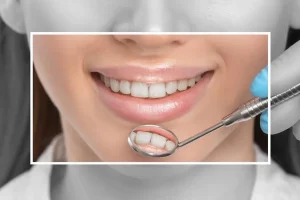
You brush, you glance in the mirror, and sometimes your teeth still do not look the way you want them to. That can feel frustrating fast. A lot of people assume the look of their smile comes down to luck or age, but the truth is usually more ordinary than that. A dentist in Carmel, IN can tell you that small daily habits shape tooth color, shine, and evenness more than most people realize.
The good news is that many of the things that affect your smile are within your control. The less comforting part is that some of the habits seem harmless. A second coffee. Snacking all day. Skipping water. Grinding your teeth at night without knowing it. These are easy patterns to fall into, and over time they can leave teeth looking darker, duller, chipped, or worn down.
If you have been wondering why your smile looks different than it did a few years ago, the answer may be in your routine. Understanding these daily habits that affect your teeth can help you protect your enamel, reduce staining, and know when it is time to see a family and cosmetic dentist.
Food and drink choices often shape tooth color first
Coffee, tea, red wine, cola, tomato sauce, berries, and sports drinks all have something in common. They can stain enamel or weaken it enough that stains settle in more easily. If you sip them slowly over hours, the effect gets worse because your teeth stay exposed longer.
Acid is part of the problem. When enamel softens, pigments cling more easily. Sugar adds another layer by feeding bacteria that lead to plaque buildup and decay. The National Institute of Dental and Craniofacial Research explains the basics of tooth decay, and it starts with choices many people make every day without much thought.
You do not need a perfect diet to keep your teeth looking better. Drinking staining beverages with meals instead of sipping all afternoon helps. Rinsing with water after acidic or dark drinks helps. Waiting about 30 minutes before brushing after something acidic can also protect enamel.
Brushing habits can brighten your smile or wear it down
People often assume brushing harder means brushing better. It usually means the opposite. Aggressive brushing and hard bristles can wear enamel and irritate gums, which can make teeth look longer, more yellow, and less healthy over time. Once enamel thins, the darker layer under it shows through more clearly.
Technique matters more than force. A soft bristle brush, gentle circles, and two full minutes make a real difference. If your toothbrush looks flattened after a few weeks, you are likely brushing too hard.
Good home care does not need to be complicated. The NIDCR has clear guidance on oral hygiene that supports the basics most people need, including brushing twice a day and cleaning between teeth daily.
Snacking and constant sipping keep your teeth under pressure
Your mouth needs breaks. Every time you eat or drink something other than water, acids and sugars can shift the balance in your mouth. If you graze all day, your teeth have less time to recover. That steady exposure can lead to dullness, plaque buildup, and a higher risk of cavities, which change the appearance of your teeth long before they cause pain.
This catches people off guard because the habit does not feel dramatic. A granola bar in the car, a flavored coffee midmorning, juice in the afternoon, then a sports drink after the gym. None of it sounds extreme on its own. Together, it keeps your enamel under constant stress.
Tobacco and vaping can change how your smile looks
Traditional tobacco products are well known for causing yellow or brown stains, but vaping is not harmless for your mouth either. Dry mouth, irritation, and changes in oral tissues can affect how your smile looks and feels. Dry mouth matters because saliva helps wash away food particles and acids. Less saliva often means more plaque and a rougher surface that picks up stains faster.
If your teeth seem to stain quickly no matter what whitening toothpaste you buy, this may be one reason. Surface products can only do so much when the habit causing the discoloration is still in place.
Grinding and clenching can make teeth look shorter and uneven
Some changes in your smile have nothing to do with color. If your teeth look flatter at the edges, more translucent, or slightly chipped, grinding may be the cause. Many people clench during stress or grind in their sleep and do not know it until a dentist spots the wear.
This is one of the most overlooked everyday factors that affect your smile. The pressure can wear enamel down, create tiny cracks, and change the shape of your teeth. If you wake with jaw soreness or headaches, that is worth paying attention to.
Daily choices and their effect on tooth appearance
| Everyday choice | Common effect on appearance | Better option |
|---|---|---|
| Sipping coffee or tea for hours | More staining and longer acid exposure | Drink with meals, rinse with water after |
| Brushing hard with a firm brush | Enamel wear and gum recession | Use a soft brush and gentle pressure |
| Frequent snacking | Plaque buildup and dull-looking teeth | Limit snacks and choose set meal times |
| Tobacco use or vaping | Stains, dry mouth, and rougher tooth surfaces | Cut back or quit, increase water intake |
| Skipping floss or interdental cleaning | Buildup between teeth and gum inflammation | Clean between teeth once a day |
| Grinding or clenching | Flattened, chipped, or shortened teeth | Get evaluated by a dentist for protection |
Small changes can improve the look of your teeth
Clean up the timing of what you eat and drink. Try to avoid all day sipping and snacking. Give your mouth time to recover between meals, and choose water more often. This supports both the health and appearance of your teeth.
Use a gentler home care routine. Brush twice a day with fluoride toothpaste, use a soft brush, and clean between your teeth daily. The NIH overview of oral and dental health connects these basics to long term mouth health in a way that is easy to follow.
Get a professional opinion before the problem grows. If your teeth look darker, more worn, chipped, or uneven, a family and cosmetic dentist can tell you whether the cause is staining, enamel loss, decay, grinding, or a mix of issues. That matters because each one needs a different fix. Whitening will not solve wear. A night guard will not remove deep stains. The right treatment starts with knowing what is actually changing your smile.
Your routine has more power than you think
The appearance of your teeth is not only about genetics or age. It is often the result of repeated, ordinary choices that add up over time. That can feel discouraging at first, especially if you are noticing stains or wear already, but it also means you have room to change the outcome.
7 everyday choices that influence the appearance of your teeth may sound simple, yet these habits shape how your smile looks day after day. If you want clearer answers and a plan that fits your life, schedule a visit with a family and cosmetic dentist.